
Why San José?
A hub for Culture and Nature
San José, Costa Rica's capital city, is a vibrant blend of history, culture, and urban charm, offering a unique experience beyond the typical beach and rainforest destinations. It's a hub for transportation, political and economic activity, and a place to immerse yourself in the country's cultural heart.
Animals of San José
A few of my Favourite Animals
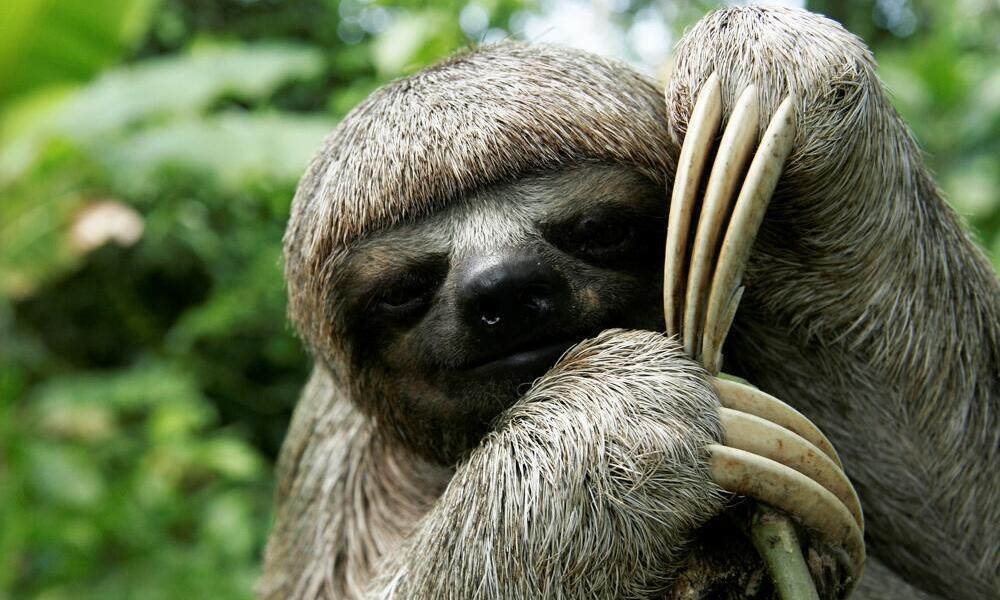
Sloths
Sloths are a Neotropical group of xenarthran mammals constituting the suborder Folivora, including the extant arboreal tree sloths and extinct terrestrial ground sloths.
Sloths are known for their slow movement and spend most of their lives hanging upside down in trees. They have a low metabolic rate and a diet primarily consisting of leaves, which contributes to their lethargic lifestyle.
Sloths are also known for their unique adaptations, such as a slow digestive process and a specialized stomach that allows them to extract nutrients from tough plant material.

Toucans
Toucans are a family of colorful birds known for their large, vibrant bills and striking plumage. They are native to Central and South America, particularly in tropical rainforests.
Toucans are primarily frugivorous, meaning they mainly eat fruit, but they also consume insects and small animals. They play a crucial role in their ecosystems as seed dispersers, helping to maintain the health of tropical forests.
Toucans are social birds and often live in small groups. Their distinctive calls and vocalizations add to the lively sounds of the rainforest. They are known for their playful behavior and can often be seen interacting with each other in the treetops.

Bairds Tapir
The Baird's tapir, also known as the Central American tapir, is a large herbivorous mammal native to Central America. It is characterized by its stout body, short legs, and long snout, which resembles a trunk.
Baird's tapirs are primarily nocturnal and are excellent swimmers, often found in rivers and swamps. They have a unique diet consisting of leaves, fruits, and aquatic plants, making them important seed dispersers in their ecosystems.
These tapirs are solitary animals and are known for their shy and elusive nature. They play a crucial role in maintaining the health of tropical forests by helping to control vegetation growth and promoting biodiversity.